Posted on 9th September 2024
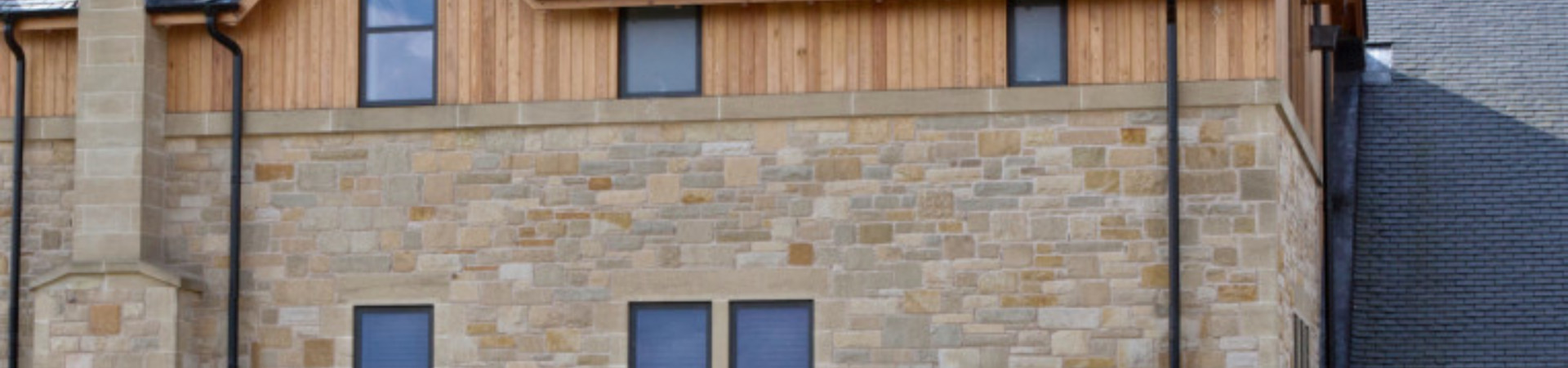
Sandstone walls have been a cornerstone in architecture for centuries, known for their natural beauty and durability. From the field boundaries of Northumberland and Cumbria to the gardens of Georgian townhouses, they are part of the fabric of the British landscape.
This blog post delves into the key aspects of sandstone walls, including their longevity, maintenance requirements, and suitability for exterior use. We also look at how sandstone behaves through a British winter, the different types of sandstone walling available and what drives the cost. Whether you are considering sandstone for a new project or maintaining existing structures, this guide will provide valuable insights.
How long does a sandstone wall last?
One of the most impressive features of a sandstone wall is its longevity. When properly maintained, sandstone walls can last for several decades or even centuries. The lifespan of a sandstone wall largely depends on the quality of the stone, the craftsmanship of the wall, and environmental factors. High-quality sandstone in a well-constructed wall can withstand the elements for generations, making it a timeless choice for both aesthetic and practical reasons.
Craftsmanship makes the biggest difference. Factors that shorten a wall's life include a narrow footing, vertical joints running through consecutive courses, no through stones, missing copings, retaining walls with no drainage, and salt or pressure washing on the face. Factors that extend it include a sound strip footing, overlapped joints, a coping with an overhang, good drainage and prompt repair of loose stone. Our guide on how to build a stone wall covers each of these in detail.
How do you maintain sandstone walls?
To ensure the longevity of sandstone walls, regular maintenance is essential. Here are some key steps to maintain the integrity and beauty of sandstone walls:
- 1. Regular cleaning: Gently clean the sandstone with mild, pH-neutral soap and water to remove dirt and grime. Avoid using harsh chemicals or high-pressure washers, as these can damage the stone by opening up its surface.
- 2. Sealing:
Apply a breathable sealant to protect the sandstone from moisture and environmental pollutants. This should be done every few years, depending on the exposure and condition of the wall. Sealing sandstone walls is most worthwhile on exposed walls and lighter buffs and creams, which show staining first. Our stone sealants and cleaners include options suited to vertical stone.
- 3. Prompt repairs:
Address any signs of damage, such as cracks or loose stones, as soon as possible to prevent further deterioration.
- 4. Preventive measures: Ensure proper drainage around sandstone walls to avoid waterlogging, which can lead to erosion and weakening of the stone. Keep soil below the level of the first course where you can.
Does sandstone last long?
Sandstone is renowned for its durability. It is naturally resistant to weathering and can withstand various climatic conditions, making it a long-lasting choice for construction. The key to its longevity lies in selecting high-quality sandstone and ensuring it is expertly installed and adequately maintained.
How do sandstone walls behave in British weather?
Sandstone is formed from compacted sand grains and minerals, which makes it strong and tactile but also porous, and that porosity is the key to how it weathers.
Frost
Frost damages stone only when it is saturated: water in the pores expands as it freezes and pushes the surface off. A sandstone wall that can dry out between wet spells shrugs off frost year after year, which is why copings, drainage and a sound footing matter more than the severity of the winter. Sandstone copings that project beyond the wall face, with a drip groove on each side, keep the core of the wall dry.
Saturation
Walls that stay wet, from a leaking gutter, soil piled against the face or ground water behind a retaining wall, darken, grow moss and weather faster. Always build drainage into a retaining wall.
Staining
Lighter buffs and creams show dirt, lichen and iron spotting sooner than reds and browns, particularly on north-facing walls. A breathable sealer reduces this; aggressive pressure washing and de-icing salt make it worse.
Well specified and well built, sandstone performs reliably through rain, frost and temperature swings, and as it ages its character develops rather than disappears.
Is sandstone good for exterior walls?
Sandstone is an excellent choice for exterior walls due to its natural durability and resistance to weathering. Its unique texture and colour variations add an aesthetic appeal, while its insulating properties can help in energy conservation. Sandstone walls can endure harsh weather conditions, making them suitable for various climates. Plus, their natural appearance blends seamlessly with outdoor environments, enhancing the overall landscape.
The one condition is good detailing: a proper foundation, copings to keep water out of the top of the wall, and drainage wherever the wall retains soil.
What types of sandstone walling are there?
Sandstone walling is sold by format as much as by colour, and the format decides both the look of the wall and how much work it takes to build. All of our sandstone walling is British, quarried in Northumberland and Cumbria, apart from two Irish cladding lines.
Format |
Finish |
Best for |
Random rag |
Rustic, split at the quarry |
Dry-stone-style walls, water features, rockeries |
Random tumbled |
Softened edges, 100mm bed |
Traditional walls with less cutting |
Split-faced coursed |
Sawn bed, split face |
Formal coursed or random-look walls |
Red rubble |
Hand-picked, deep red |
Cumbrian and Scottish-style walls |
Bricks and cladding |
Sawn all sides, or 30mm cladding |
Brick-style builds, facing blockwork |
Random rag walling
Split straight from the quarry with a rustic natural face, random rag is the stone for weathered, dry-stone-style walls, water features and rockeries. Pieces vary widely in size, so it rewards a builder who enjoys sorting stone. Browse our random walling formats.
Random tumbled walling
Machine-processed to a nominal 100mm bed depth and lightly tumbled to soften the edges, random tumbled walling gives a traditional appearance with far less cutting on site. British Buff from Northumberland weathers to yellow and light buff with occasional grey; Cumbrian buff-brown reads mid-brown to buff.
Split-faced and coursed walling
Sawn on the bed and split on the face, this stone is supplied at consistent course heights of 65, 140 and 215mm with random lengths. Use one height for a formal coursed wall or mix all three for a random look with straight beds. Our Heritage buff-brown coursed stone is cut to plus or minus 2mm. See our full range of coursed walling.
Red rubble walling
Hand-picked and not mechanically processed, red Cumbrian rubble reproduces the deep red walls seen across Cumbria and southern Scotland, with bed depths up to 175mm.
Sandstone bricks and cladding
British Buff sandstone bricks from Darney quarry are sawn on all six sides to standard brick size, so they lay like a brick but read as stone; they sit within our wider range of natural stone bricks. Thirty-millimetre Carlow grey and Donegal buff sandstone cladding bonds to blockwork where a full-depth wall is not possible, and is found in our wall cladding range.
For more on colour and finish, see our guide to the colours and textures of sandstone walling.
What drives the cost of sandstone walling?
The biggest variable is processing. Random rag, split at the quarry, costs least; tumbled random stone costs more; sawn and split-faced coursed stone more again; and fully sawn sandstone bricks sit at the top.
Bed depth affects coverage, because a bulk bag of deeper rubble covers fewer square metres of face than a bag processed to 100mm. Allow for mortar joints, which add roughly eight to ten per cent to coverage, and for copings, quoins and any made-to-measure sills or lintels. Beyond the stone, cost is driven by the footing, any inner block skin, wall height and labour.
Buying direct from the quarry removes the distributor margin from every bag. Specifying for a client? Our trade guide to specifying British walling stone goes into more depth.
Frequently asked questions
Should I choose random or coursed sandstone walling?
Random walling gives an authentic, hand-built appearance. Coursed walling gives straight beds, reduces cutting and suits more formal schemes.
Does a sandstone wall need coping stones?
Almost always. Matching sandstone copings unify the finish and protect the masonry beneath from water ingress and frost damage.
Can I build a dry stone wall with sandstone?
Yes. Northumberland rag walling is selected for exactly that purpose, and our guide on how to build a stone wall explains the method.
Is sandstone porous?
Yes, which is why it weathers so attractively and also why drainage, copings and, on lighter stone, a breathable sealer are important.
Sandstone walls are more than just a beautiful addition to a property; they are a testament to durability and timelessness. With proper care and maintenance, sandstone walls can be a long-lasting feature, suitable for both interior and exterior applications. Whether you're building new or maintaining existing structures, sandstone walls offer a combination of aesthetic appeal and enduring strength.
Browse our beautiful range of sandstone walling, perfect for transforming outdoor spaces, or order free samples
to compare colours in your own garden before you commit.